You know a Beverly Hills address carries weight, but the real story starts with architecture. From hillside moderns to storied estates, style is a language that signals pedigree, lifestyle, and value. If you’re buying, it helps you focus your search. If you’re selling, it shapes your marketing and ROI. In this guide, you’ll learn how to spot the city’s signature styles, where they tend to cluster, and what to watch for with maintenance, renovations, and marketability. Let’s dive in.
Why style matters in Beverly Hills
Beverly Hills is a mature luxury market where design provenance, lot type, and neighborhood identity guide buyer expectations. Homes with clear architectural narratives tend to draw targeted interest and stronger offers. Landmark properties like the grand Tudor example at Greystone Mansion help define neighborhood character, while hillside enclaves like Trousdale Estates attract collectors who value midcentury pedigree.
Prices vary widely by micro-neighborhood, setting, and condition. What remains consistent is that authenticity, documentation, and thoughtful presentation make a measurable difference when you go to market.
The signature styles you’ll see
Spanish Colonial Revival and Mediterranean
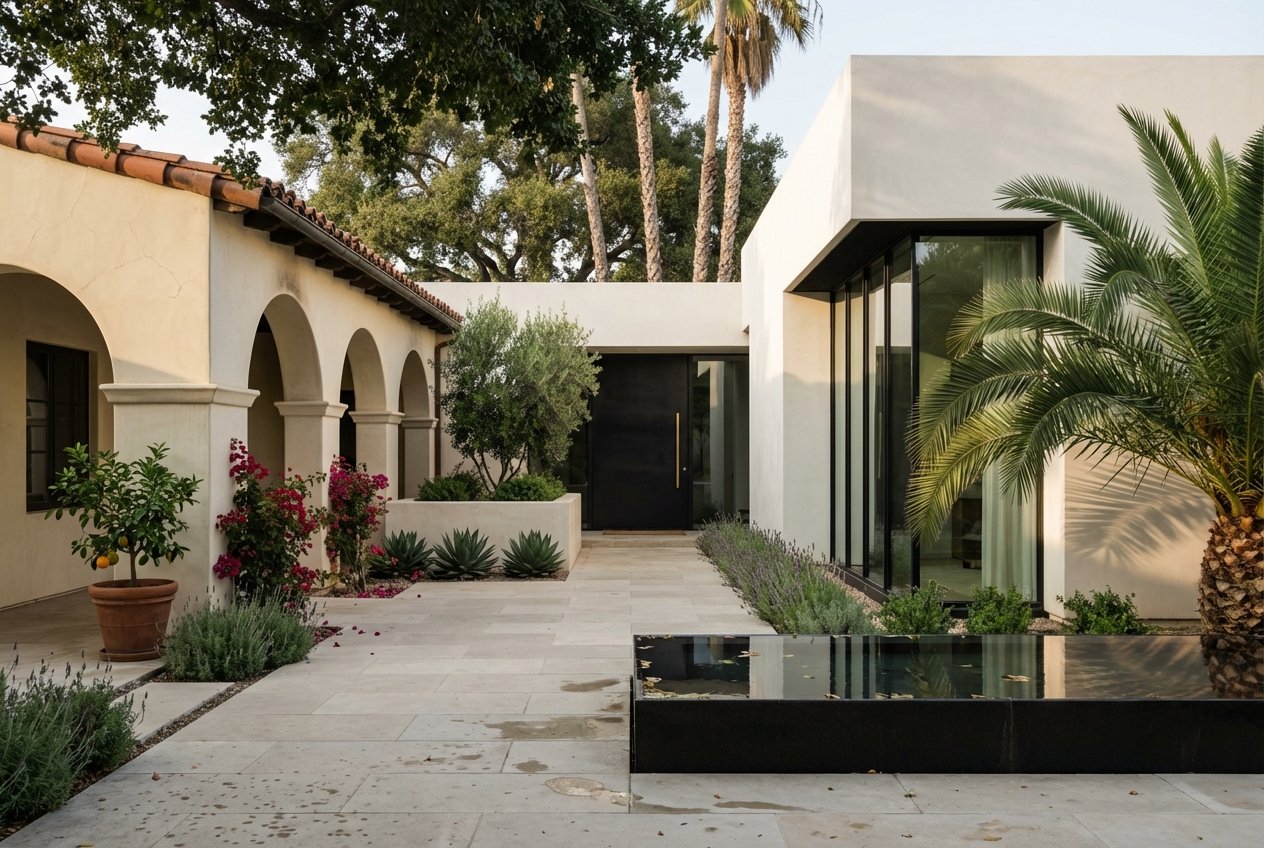
You’ll recognize these classics by white or buff stucco, red clay tile roofs, arches, wrought iron, and courtyards or loggias that blur indoors with outdoors. Many parcels in the Flats and north of Wilshire showcase this aesthetic. Buyers who love warm, textural spaces often gravitate to exposed beams, artisan tile risers, and handcrafted ironwork. Sellers should preserve these details and document any restorations, since original craft signals authenticity and adds appeal.
Tudor and English manor estates
Think steep slate roofs, stone or brick façades, half-timbering in some cases, and formal entries with grand staircases. The city’s defining example is Greystone Mansion, a local landmark and civic icon. These homes convey permanence and ceremony. They also rely on specialty trades for stone, slate, and millwork, which can drive holding and repair costs. When interiors remain intact and well maintained, they tend to attract legacy-minded buyers.
Midcentury Modern and Trousdale-era modern
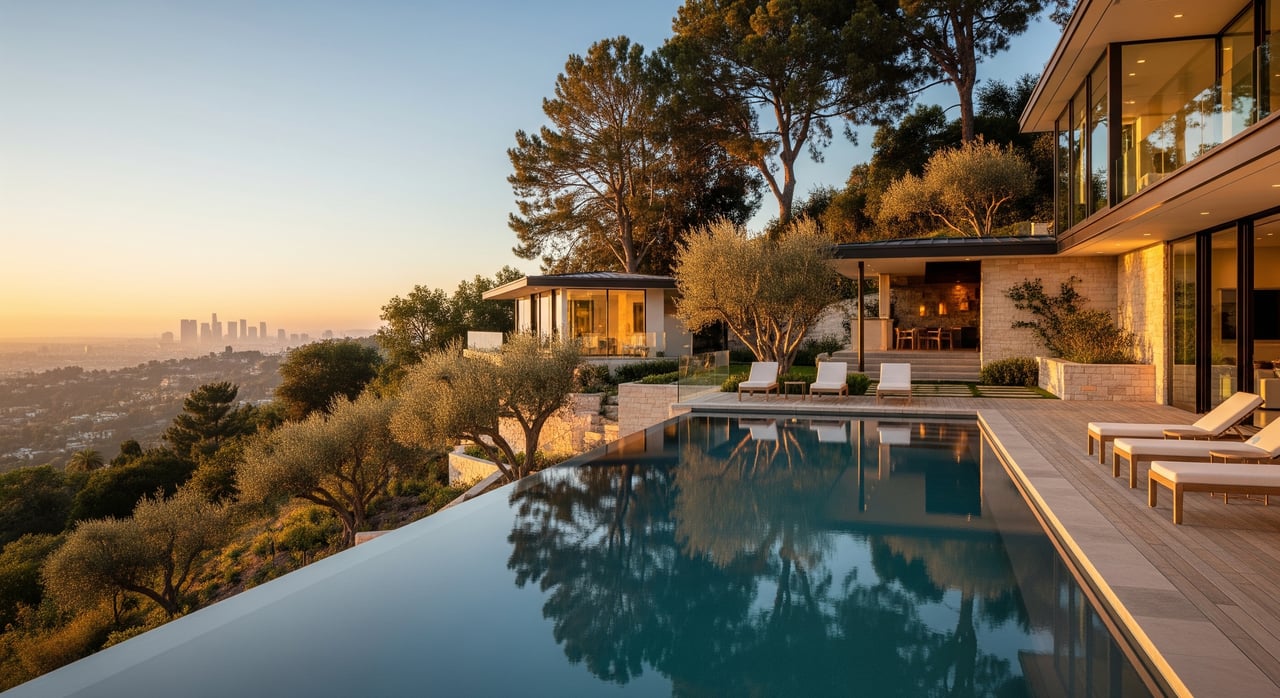
Low horizontal lines, expansive glass, clerestories, and post-and-beam structure define the look. Homes are often sited to capture wide city or ocean views and prioritize indoor-outdoor living. Trousdale Estates is the epicenter, with commissions by noted architects like A. Quincy Jones, Richard Neutra, and Wallace Neff.
Collectors pay attention to original window systems, flat roofs, and period finishes. Sensitive updates that respect the original lines are prized. If you plan work in Trousdale, review the city’s construction and hauling measures early to align budget and timelines. For a sense of market interest and renovation scale, see this documented Trousdale midcentury listing example.
Hollywood Regency and Deco-inspired glamour
Hollywood Regency is less about exterior form and more about interiors with high-gloss finishes, mirrors, bold patterns, and statement lighting. It’s a look rooted in Old Hollywood entertaining that can live inside Spanish, Tudor, or Colonial shells. For a concise primer on this style language, explore this overview of Hollywood Regency design. Many Los Angeles residences by Paul R. Williams pair classic façades with elegantly glamorous interiors.
French and European Revival, including château estates
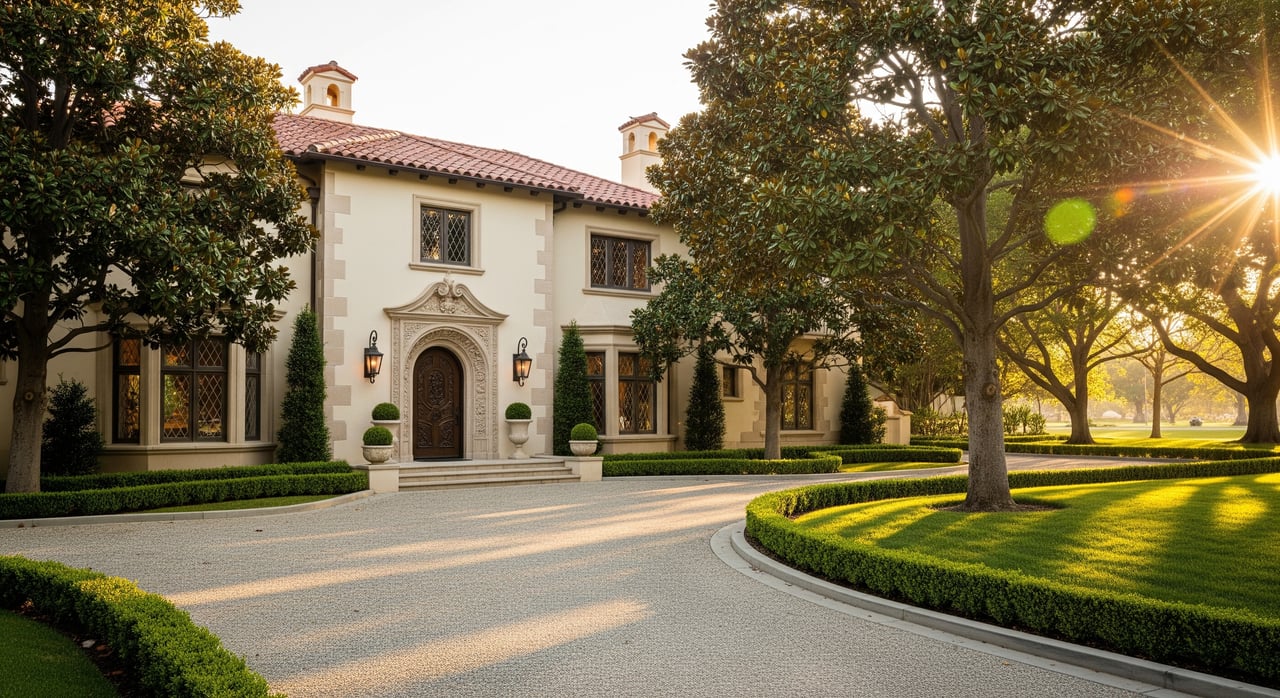
Expect symmetry, carved stone details, formal staircases, and ballroom-scale spaces. These homes often anchor large, gated parcels and appeal to buyers seeking an instantly recognizable, trophy aesthetic. High-profile examples appear in guarded enclaves and nearby estates, such as this Richard Landry–designed château. Build and operating costs are significant, which narrows the buyer pool to those prepared for estate-level staffing and upkeep.
Contemporary sculptural new builds
Today’s custom builds favor crisp geometry, broad glazing, engineered landscapes, and integrated wellness and tech. Expect whole-home automation, EV infrastructure, media environments, and resort-grade water features. Buyers look for turnkey systems and a floor plan that delivers privacy, light, and seamless indoor-outdoor living. Documentation matters here too. Warranties, service contracts, and a clear equipment roster help you defend price and reassure buyers.
How style shapes desirability and value
Authenticity and provenance
In Beverly Hills, authenticity is a value multiplier. A coherent, era-correct home with documented architect provenance can outperform a similar property with mismatched renovations. Preservation stories like the Kronish House highlight how community attention often follows significant works, and why documentation supports both marketing and stewardship.
Buyer segments and targeting
- Design collectors gravitate to named-architect midcentury homes, particularly in enclaves like Trousdale Estates. Clear lines and original fabric matter.
- Trophy and international buyers often pursue very large European-inspired estates and châteaux, which can reach the market’s top end. Media coverage of marquee properties, such as the Landry château example, shows this taste profile’s global pull.
- Heritage-focused buyers seek traditional estates and landmark-adjacent properties for their formality and legacy potential.
Staging and presentation
Staging helps buyers visualize scale and lifestyle, and it can support faster sales with modest price lifts according to the National Association of REALTORS®. Curate imagery to spotlight style-defining features. For Spanish, lead with courtyards and tile. For midcentury, show pure sightlines and view corridors. For estate styles, emphasize arrival, symmetry, and grand interiors.
Costs and renovation risk
Large remodels in hillside neighborhoods can be complex. In Trousdale, align early with the city’s construction measures to avoid schedule surprises. Renovations that upgrade systems while preserving architectural intent usually create the best market response. Overhauls that erase provenance can limit appeal, especially among design-minded buyers.
Buyer checklist: style-focused due diligence
- Confirm provenance. Look for architect attribution, original plans, and notable past owners. Conservative buyers prize documented history, especially in enclaves recognized by groups like the Los Angeles Conservancy.
- Inspect the roof and envelope. Clay tile and slate require specialty care. Flat modern roofs need close review for waterproofing and insulation.
- Evaluate windows and glass. Original steel or wood single-pane assemblies have character but may need repair or sensitive retrofits.
- Review systems and code. Check seismic upgrades, electrical capacity, HVAC, and plumbing. For hillside lots, evaluate grading and structural considerations. In Trousdale, plan around the city’s construction and hauling rules.
- Assess landscape and privacy. Mature trees, pool systems, and accessory spaces matter for lifestyle and long-term maintenance.
Seller checklist: prepare and position for top results
- Preserve key details. Keep original tile, beams, ironwork, staircases, and period fixtures when possible. Provide restoration records and a clear materials narrative.
- Stage to the architecture. Highlight courtyards for Spanish, sightlines and views for midcentury, and symmetry and scale for estate homes. Use data-backed best practices from the NAR’s staging guidance.
- Disclose specialized maintenance. Be transparent about slate or tile roofs, original window systems, and custom stonework. Maintenance logs reduce buyer friction.
- Align with local rules early. Check the city’s Local Register of Historic Properties and any neighborhood covenants before listing to avoid last-minute delays.
Preservation and permitting essentials
Beverly Hills maintains a Local Register and Cultural Heritage program. Designation can elevate prestige while adding review steps for alterations. If your property is eligible or already designated, factor that into your timeline and scope. For buyers, designation guides your expectations about what you can change. For sellers, it becomes part of your marketing story and disclosure.
Final thoughts
In Beverly Hills, architecture is more than curb appeal. It is a lens that helps you select the right property, refine your renovation choices, and tell a clear market story. Whether you’re aiming for a restored Spanish jewel, a pedigreed Trousdale modern, or a turnkey contemporary compound, align style, systems, and documentation to maximize value.
If you want a design-led plan for buying or selling with confidence, connect with Giuseppe Talarico for a private consultation.
FAQs
What are the most common luxury home styles in Beverly Hills?
- You’ll frequently see Spanish or Mediterranean estates in the Flats, pedigreed midcentury moderns in Trousdale Estates, and traditional Tudor or English manor estates near landmarks like Greystone.
How can I verify an architect’s provenance on a Beverly Hills home?
- Ask for original plans or permits, consult the listing packet, and cross-reference with resources like the Los Angeles Conservancy for architect histories.
Are renovations in Trousdale Estates more complex than elsewhere?
- Yes, the city has specific construction and hauling measures that affect schedules, logistics, and costs, so plan early and involve the right consultants.
Do historic or landmark homes in Beverly Hills limit what I can change?
- Properties on the city’s Local Register often require review for exterior and sometimes interior changes, which adds steps but also enhances long-term prestige.
What marketing moves help a style-specific luxury home sell faster?
- Stage to the architecture, commission high-caliber photography that highlights defining features, and use data-backed tactics from the NAR’s staging insights to improve buyer visualization.