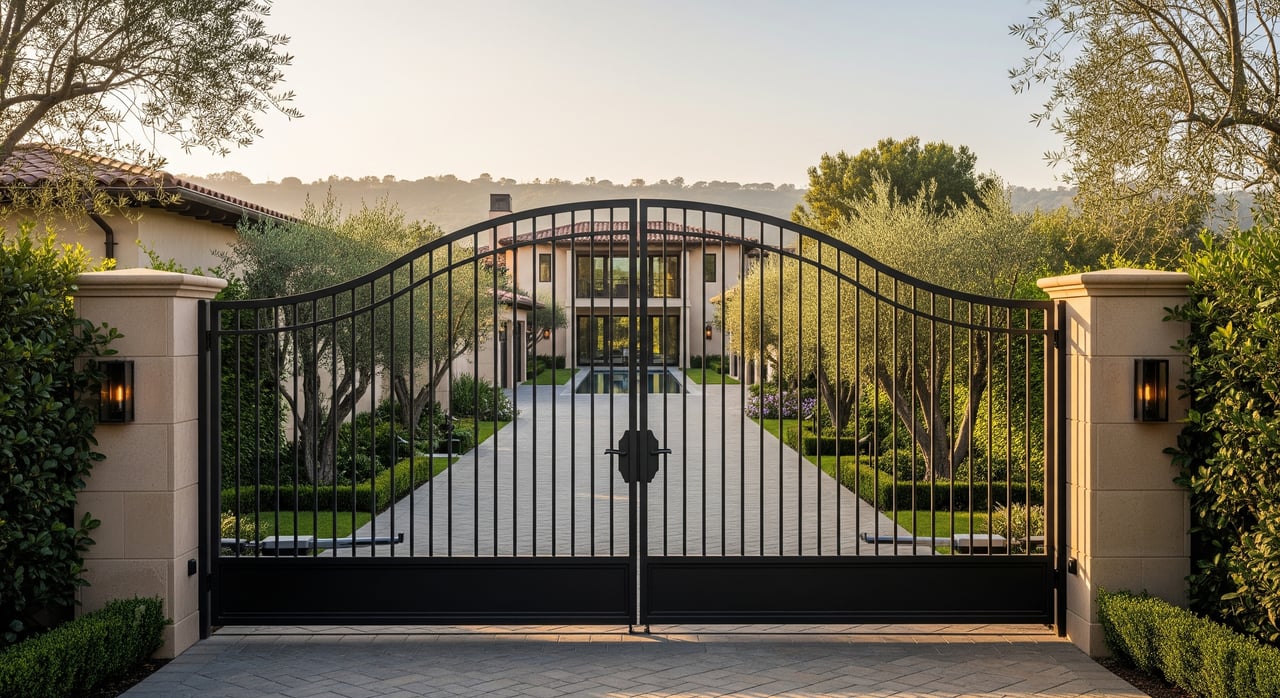
Buying in Brentwood’s gated enclaves can feel like a closed circle. Listings move quietly, privacy is paramount, and the rules behind the gates matter as much as the house itself. You want a clear, discreet path to the right home without guesswork or surprises. In this guide, you’ll learn how to access real inventory, review HOA and security details, run airtight due diligence, and structure an offer that wins while protecting your privacy. Let’s dive in.
Understand Brentwood’s enclaves
Brentwood’s gated enclaves are small, highly private pockets of single-family estates near Westside amenities. Think controlled access, tall landscape screening, and larger lots that often sit on hillsides sloping toward the Santa Monica Mountains. These communities have limited turnover and many sales happen off market through trusted networks.
You will encounter a mix of private and public streets, with many enclaves maintaining private roads through a homeowners association. Expect CC&Rs, bylaws, and architectural guidelines that shape day-to-day living and any alterations you may plan. Security infrastructure can include guardhouses, cameras, license-plate readers, and 24-hour patrols.
What sets them apart
- Controlled access, privacy-forward design, and mature landscaping.
- HOA oversight for gates, roads, security contracts, and architectural changes.
- Tight inventory with long holding periods and frequent pocket listings.
- Hillside lots that call for specialized inspections and geotechnical review.
Buyer priorities
If you value privacy, turnkey condition, and staff capability, these enclaves align well. Many buyers prioritize seamless touring, confidentiality, and flexible closing timelines. Your process should balance speed and certainty with careful legal, physical, and financial review.
Review HOA governance
HOA rules and finances directly affect security, staff access, design approvals, and ongoing costs. A thorough HOA review is essential before you finalize your decision.
What to request
- CC&Rs, bylaws, rules and regulations, and architectural guidelines.
- HOA budget, current balance sheet, and the most recent reserve study.
- Meeting minutes for the past 12 to 24 months.
- HOA insurance policies for common areas and vendor contracts for security and landscaping.
- Records of past and pending special assessments and any disclosed litigation.
- Evidence of private-street status and any maintenance or access agreements.
Red flags to watch
- Low reserves for aging gates, cameras, or road work that may trigger assessments.
- Transfer or approval procedures that can slow or condition closing.
- Vendor contracts with strict termination clauses or upcoming renewals.
- Litigation involving the HOA or common areas that could lead to cost changes.
Action steps
- Request the full HOA packet early and have it reviewed by local counsel.
- Confirm private versus public street status and who controls access.
- Ask for security and landscaping contracts to understand service levels.
Plan privacy and security
Security setups vary across enclaves, from guard-staffed gates to remote access systems and patrols. Understand how residents, guests, and household staff move in and out, and how your privacy will be managed.
Security infrastructure
- Guardhouses, callboxes, license-plate readers, and CCTV recording.
- Resident credentials for vehicles and vendors.
- Written protocols for guest lists, service providers, and deliveries.
Anonymity strategy
Many buyers use limited-disclosure showings, NDAs for teams, and trusts or LLCs for title. Work with counsel and escrow on a privacy plan that shields your identity while meeting any seller or HOA vetting requirements. Expect to provide proof of funds to listing agents and, at times, background information for high-profile sales.
Emergency access and services
Gated communities must comply with local fire and public safety requirements. Confirm gate permits and emergency override systems with the city and fire department. Ask how police, fire, utilities, trash, and mail operate on private roads so you can set realistic expectations.
Run complete due diligence
A disciplined due diligence process protects you from hidden costs and delays. Put title, tax, permitting, and property condition workstreams in motion quickly.
Title and taxes
- Order a full title report and preliminary report to confirm easements, rights-of-way, and any exceptions tied to private streets or community systems.
- Review property tax history, supplemental taxes on transfer, and any parcel or special assessments.
Permits and code
- Search permit history to flag unpermitted additions, ADUs, or open code matters.
- Verify final Certificates of Occupancy for major structures and pools.
Site risks and inspections
- Full home, roof, HVAC, plumbing, electrical, and pest inspections.
- Geotechnical and drainage reviews for hillside stability and storm run-off.
- Structural and foundation evaluations for settlement or movement.
- Pool and spa inspection, including safety compliance.
- Landscape assessment for tree health and any root or infrastructure conflicts.
- Wildfire risk review and brush clearance compliance, with defensible-space planning as needed.
Insurance and lending
- Confirm availability and cost of homeowners, earthquake, and umbrella liability coverage. Some insurers require wildfire or slope mitigation.
- If financing, verify lender requirements for properties on private streets or with unusual title exceptions.
International considerations
- Engage U.S. tax counsel and a CPA with cross-border expertise for ownership structure, reporting obligations, and estate planning.
- Confirm currency transfer and bank compliance checks that may apply to your purchase.
Litigation check
- Search for litigation involving the HOA or the property, including construction defects or boundary disputes that may affect costs or use.
Access inventory and tours
Many top properties trade quietly. Your path to real access runs through trusted relationships and a controlled touring plan.
Shortlist strategy
- Align with a lead agent who is experienced with Brentwood’s gated enclaves.
- Prepare a clear buyer profile and authorized representative list to share with listing teams and gate security as needed.
- Pre-position proof of funds or lender letters to streamline access.
Private tour protocols
- Expect NDAs, limited photography, and appointment-only showings.
- Provide IDs in advance for security. Keep the on-site team small.
- For international trips, plan flexible timelines and consider virtual tours before in-person visits.
Craft a winning offer
In these enclaves, sellers often value certainty and confidentiality as much as price. Tailor your terms to meet those priorities without sacrificing essential protections.
What sellers value
- Speed and reliability of close.
- Minimal disruption and strict confidentiality.
- Strong proof of funds and reputable escrow, title, and legal teams.
Offer terms that win
- All-cash or strong funds verification to shorten or avoid financing contingencies.
- Flexible closing and occupancy, including rent-back if needed.
- A focused inspection window that preserves your rights while easing seller concerns.
- Work with respected local counsel, title, and escrow to increase confidence.
Closing and onboarding
- For cash deals, expect shorter timelines. Allow more time for appraisals and underwriting if financing.
- Plan immediate security transitions after close: rekeying, credential resets, and system updates.
- Complete HOA onboarding, update resident records, and set up staff and vendor access.
Your buyer team
- Lead luxury real estate broker with enclave experience.
- Local real estate attorney with HOA and private-street knowledge.
- Title company experienced with community easements and exceptions.
- Geotechnical engineer for hillside evaluations.
- Structural and general inspectors familiar with luxury estates.
- Security consultant to review existing systems and plan upgrades.
- CPA or tax attorney for cross-border or complex ownership structures.
Your next steps
- Engage a lead local luxury broker and legal counsel.
- Prepare proof of funds or a lender letter.
- Request the HOA packet and preliminary title report early.
- Schedule full inspections, with geotechnical review for hillside lots.
- Verify gate permits and emergency access compliance.
- Review security and landscaping contracts to confirm service levels.
- Structure your offer for speed, certainty, and confidentiality.
- Run an insurance market check and finalize ownership structure with tax counsel.
Buying inside Brentwood’s gates rewards careful planning. With the right team, discreet access, and disciplined due diligence, you can secure a private estate that supports your lifestyle from day one. When you are ready to move, start a private conversation with Giuseppe Talarico for white-glove guidance and access.
FAQs
What makes Brentwood’s gated enclaves unique?
- They offer controlled access, privacy-focused design, and HOA-managed infrastructure, with limited turnover and many off-market opportunities.
How do HOAs affect renovations and design?
- Most enclaves have architectural guidelines and review committees. You must submit plans for approval and follow CC&Rs, bylaws, and community rules.
What should I know about private streets and services?
- Private roads are often maintained by the HOA. Confirm how access, maintenance, utilities, trash, mail, and emergency services operate behind the gates.
How can I protect my identity during a purchase?
- Use NDAs, limited-disclosure showings, and counsel-guided title structures such as trusts or LLCs, while providing required proof of funds to sellers.
Are hillside and wildfire risks a concern in Brentwood?
- Yes. Commission geotechnical and drainage reviews, confirm brush clearance, and plan for wildfire mitigation to meet insurance and safety requirements.
What offer terms help win in these communities?
- Strong proof of funds, flexible timing, limited but sufficient inspection periods, and reputable escrow, title, and legal teams increase certainty for sellers.