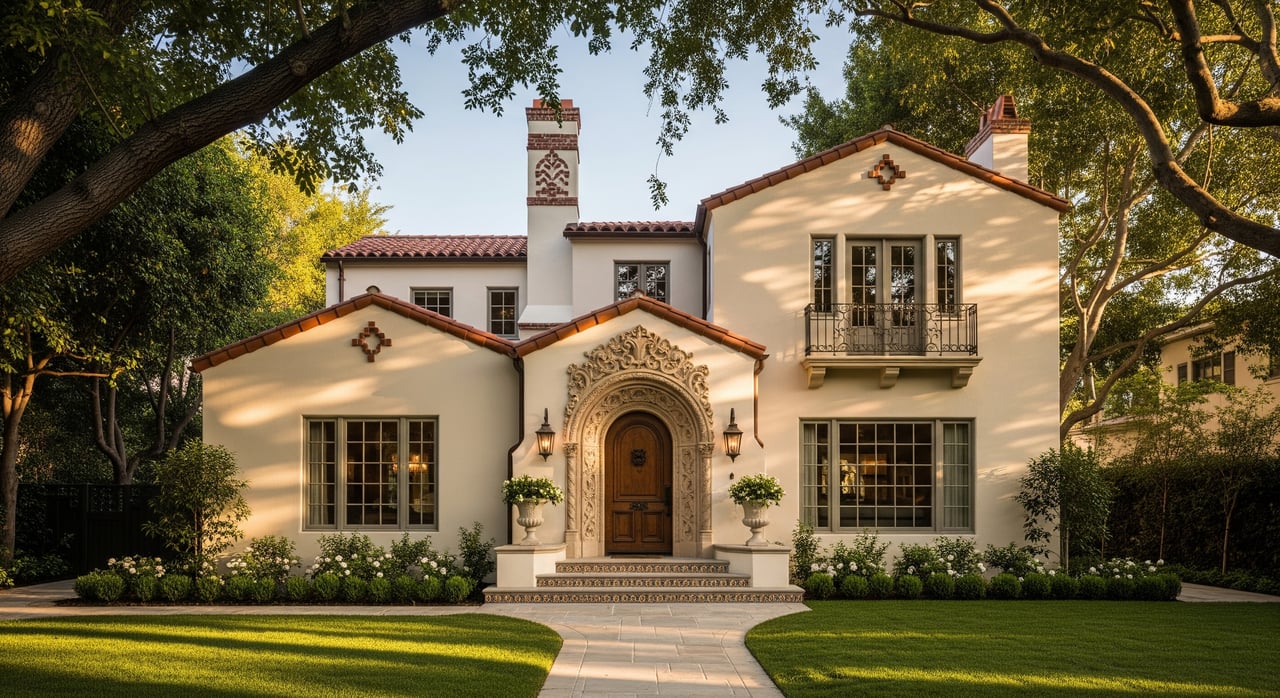
You fall in love with a Hancock Park house for a reason. The roofline, the windows, the plaster, the way the front walk frames the entry. When you own or plan to buy here, the question becomes simple: how do you modernize without losing that character? This guide shows you what to protect, how to plan your project, and how to keep value and authenticity aligned in Greater Wilshire. Let’s dive in.
Why character matters in Hancock Park
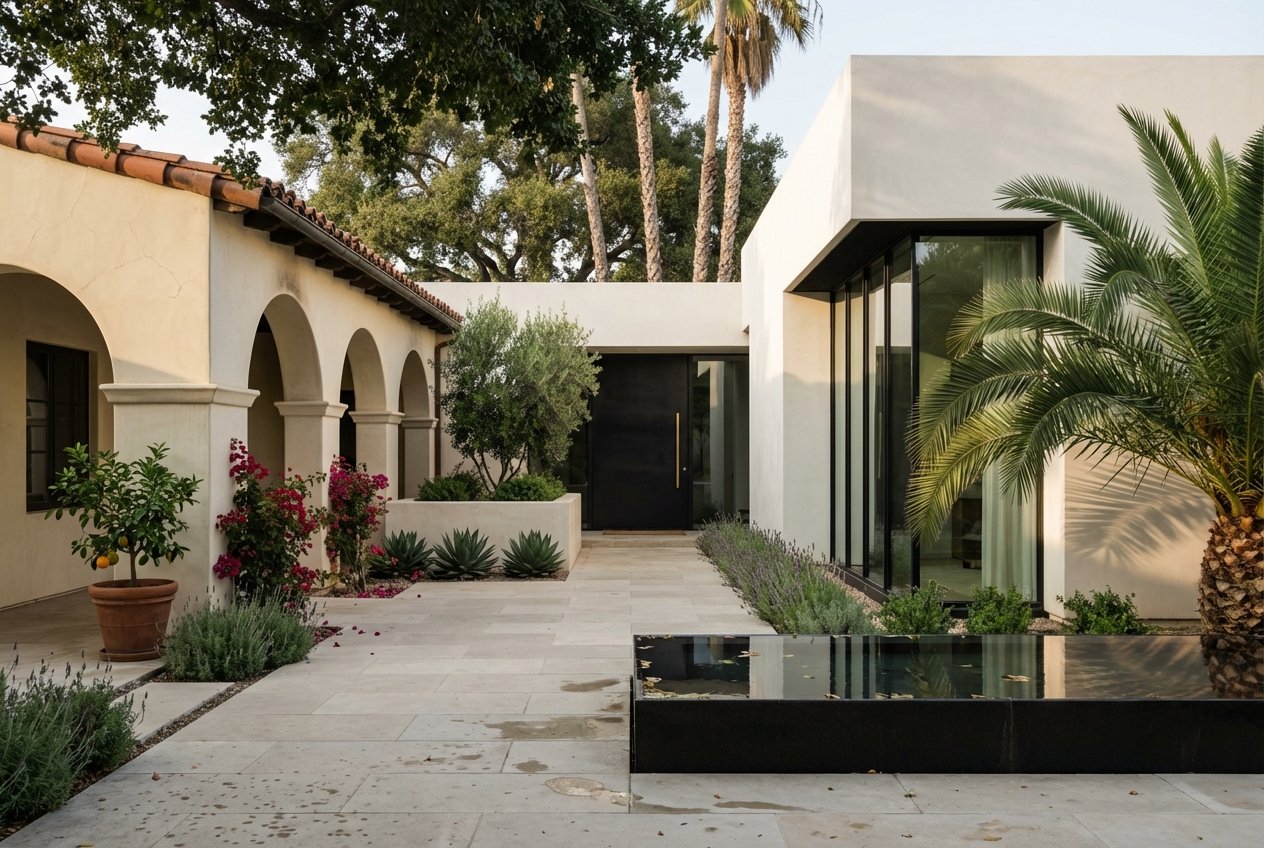
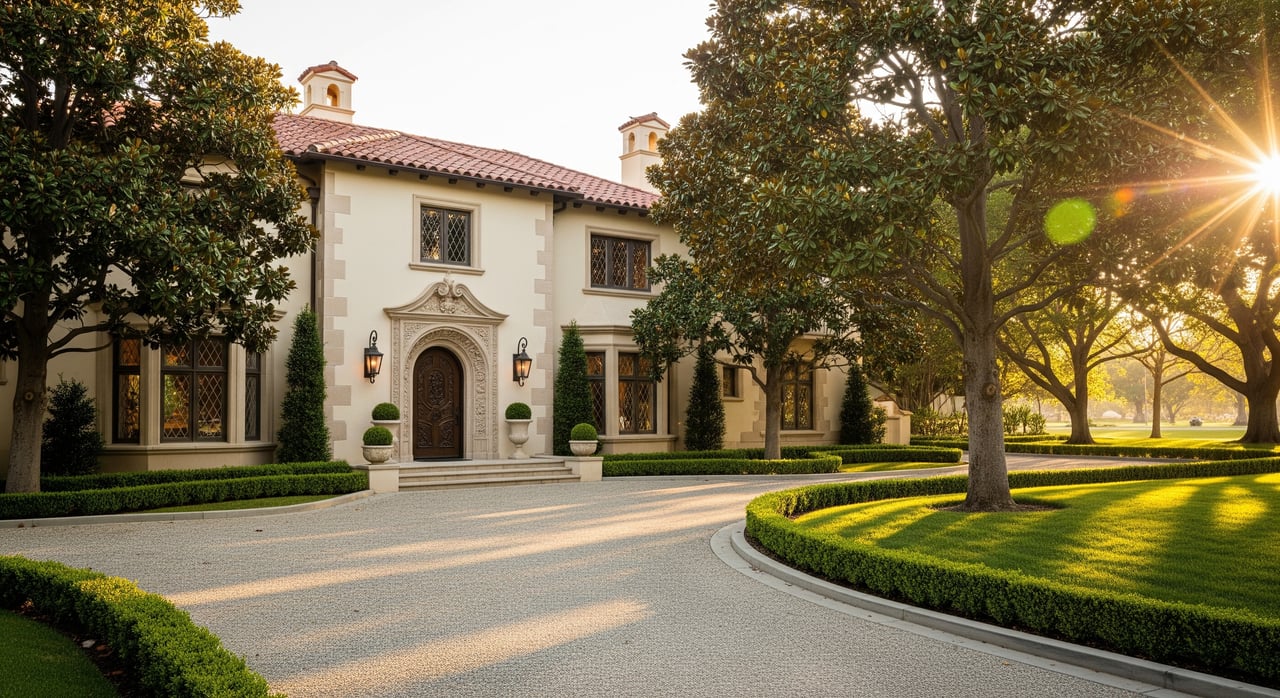
Hancock Park grew up in the early 20th century as an enclave of architect‑designed homes. You see Spanish Colonial Revival, Mediterranean and Italianate, Tudor Revival, English Cottage, and Colonial and Georgian Revival. Many properties still carry original stucco or wood cladding, clay tile or slate roofs, and wood‑sash windows with detailed millwork.
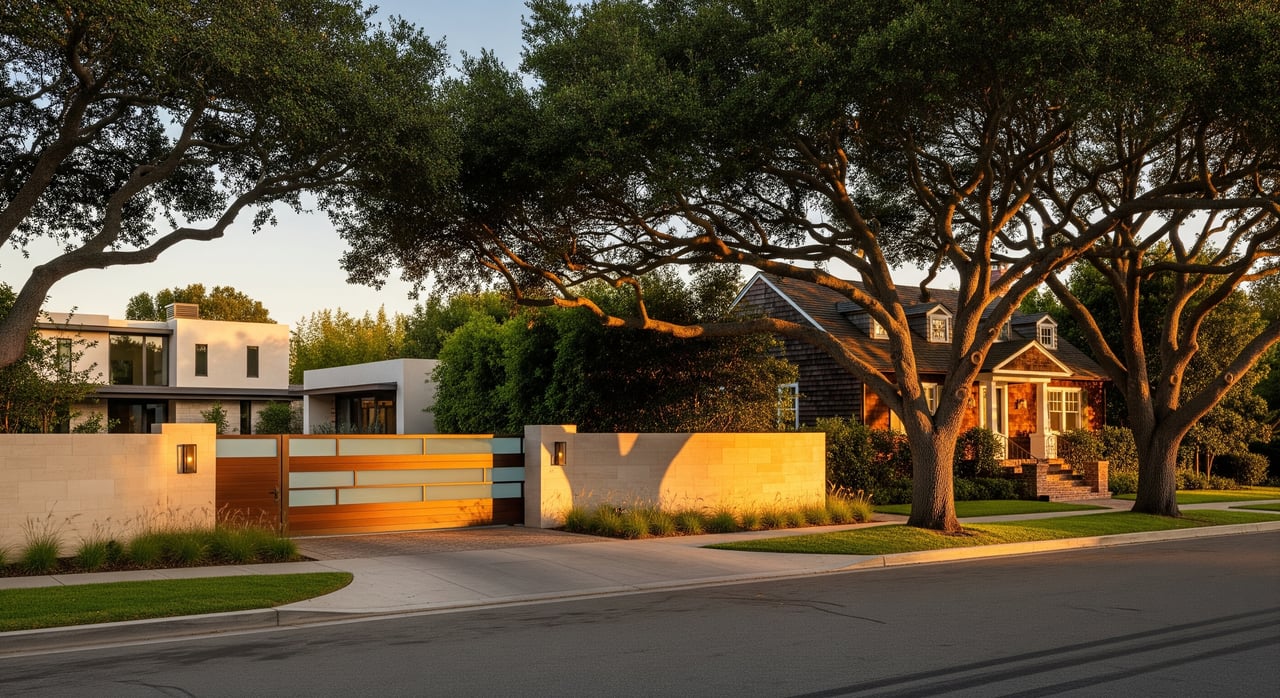
The neighborhood’s charm is not only the houses. Mature street trees, historic hardscape, and thoughtful planting design all contribute to the sense of place. Buyers value this authenticity. Well‑maintained original features often attract stronger interest and can support premiums, while insensitive changes tend to depress appeal.
Know the rules before you start
Many Hancock Park homes fall under local preservation programs. Parts of the neighborhood are within Historic Preservation Overlay Zones. HPOZ Boards typically review exterior changes visible from the street. Some houses also hold individual historic status that brings additional review.
Before you design anything, verify your property’s status with the City of Los Angeles Office of Historic Resources. Window changes, roofing, exterior stucco work, demolition, and even tree removal may require permits and formal review. Early contact prevents redesigns and delays and helps align your plan with local expectations.
If your home qualifies, the Mills Act can reduce property taxes in exchange for a commitment to preserve historic features. Rules and application cycles are local. Confirm current procedures and obligations before you build a financial plan around potential savings.
What to protect first
Some elements define style at a glance. Prioritize these as you plan any work:
- Roof form and material. Clay tile, slate, or wood shingles carry distinct profiles, colors, and edges that set the architectural tone.
- Windows and doors. Original wood sashes, muntin patterns, leaded or stained glass, and historic hardware build the facade’s rhythm and the interior’s light.
- Exterior cladding and trim. Stucco textures, wood siding, exposed rafter tails, brackets, cornices, and millwork details are character anchors.
- Porches and entries. Porte‑cocheres, columns, and entry compositions shape curb appeal.
- Interior finishes. Plaster walls and ceilings, crown moldings, baseboards, built‑ins, hardwood floors, fireplaces, and period tile are buyer favorites.
- Landscape and hardscape. Mature trees, low walls, original gates, and driveway paving complete the historic setting.
Repair vs. replace
Preservation best practice is clear. Repair is preferred. When replacement is unavoidable, match the original in material, design, and detail.
- Roofs. Often you can repair underlayment and flashing while keeping historic tiles. Partial re‑tiling with matching units maintains the look and protects the investment.
- Windows. Restoration usually beats replacement on appearance and long‑term value. Typical scopes include sash re‑glazing, weatherstripping, sash cord replacement, rebalancing, and repainting. If replacement is required, specify custom wood units that match profiles and muntins. Confirm designs with the review board before ordering.
- Plaster. Replaster with matching mixtures and textures. Ornamental plaster deserves repair, not removal. Avoid hard, incompatible mixes that can trap moisture.
- Stucco. Patch with compatible materials and match aggregate size, finish, and color. The goal is invisibility. Modern cement mixes can be harder and less vapor‑permeable than original lime‑based finishes, so consult a specialist.
- Floors and tile. Refinish hardwood with care. Repair boards rather than wholesale replacement. Preserve period tile and mantels whenever possible.
Smart upgrades behind the scenes
You can bring a historic home up to modern standards without changing how it looks.
- Electrical, plumbing, and HVAC. Run upgrades behind walls, in attics, or in basements to minimize disturbance. Consolidate penetrations and conceal equipment to keep facades and interiors clean.
- Energy performance. Improve comfort with discreet measures such as weatherstripping, interior storm windows, and insulation approaches that do not harm historic materials.
- Seismic retrofits. Older Los Angeles homes benefit from structural work. A preservation‑minded engineer can design anchoring, shear, and bracing strategies that are strong yet visually minimal.
- Environmental safety. Lead paint and asbestos are common in older buildings. Test, then plan compliant abatement or risk‑based management before you disturb surfaces.
Materials that match
“In‑kind” repair means you match species, profiles, textures, and installation methods. When you do need new components, keep these principles in mind:
- Windows. If replacement is unavoidable, use true divided lites or realistic simulated divided lites that match sight lines, rail and muntin dimensions, frames, and operation. Confirm HPOZ compatibility before fabricating.
- Stucco and masonry. Match finish and color exactly, and use materials with compatible vapor permeability to avoid deterioration.
- Reversibility. Choose solutions you can undo later without damage. Interior storms, removable insulation, and reversible mounting for new hardware are common examples.
Preservation professionals in Los Angeles often follow the Secretary of the Interior’s Standards for Rehabilitation. These standards give a common framework for review and help ensure long‑term integrity.
Assemble the right team
Restoring a Hancock Park home is a team sport. Bring in experienced professionals early:
- Preservation architect or architect with historic resources experience. They balance modern needs with historic integrity and guide you through reviews.
- Contractor and specialty trades. Look for carpenters skilled in wood sash repair, master plasterers, tile restoration experts, and roofers familiar with clay tile and slate.
- Structural engineer. Choose one with seismic retrofit experience in historic homes.
- Preservation consultant or historian. Useful for documentation, Mills Act or landmark applications, and navigating regulations.
- Specialty support. Paint analysis, millwork shops for custom moldings, and glaziers for leaded or stained glass.
When hiring, request portfolios of similar‑era houses, ask for references, and confirm experience with HPOZ or landmark reviews in Los Angeles. Verify licensure and insurance, and check professional affiliations when relevant.
Timeline you can expect
Even with the right team, preservation takes planning. A typical process looks like this:
- Pre‑design. Confirm historic status and HPOZ rules, review guidelines, and schedule early conversations with planning staff or the HPOZ board.
- Design and documentation. Complete condition assessments, gather historic photos, and produce drawings and specifications that address preservation priorities.
- Permitting and review. Secure HPOZ or other board approvals if required, then apply for building permits. Some designated resources may require Cultural Heritage Commission review.
- Construction. Sequence work to allow occupancy when possible. Book specialist trades early to align lead times.
- Closeout and records. Keep permits, photos, and material specs. These files support resale and any Mills Act reporting.
Budget with eyes open
Preservation work can cost more than a standard renovation. Custom materials, skilled labor, and slower, careful methods add time and budget. You may also spend more to route systems discreetly so they do not alter finishes.
Get multiple bids from contractors with historic experience. Carry a healthy contingency for hidden conditions such as rot, outdated wiring, or concealed structural issues. The more you preserve, the more you protect long‑term value and buyer confidence.
Resale advantages in Greater Wilshire
Authenticity sells in Hancock Park. Buyers seeking period homes respond to intact facades, original windows and hardware, unpainted or well‑restored millwork, period tile, and mature landscaping. Insensitive renovations such as vinyl windows, mismatched additions, or non‑breathable coatings are often red flags.
Document your stewardship. Prepare a “preservation packet” for buyers that includes house history, before and after photos, maintenance records, permits, contractor lists, and any Mills Act contracts. Transparency about HPOZ rules and obligations builds trust and streamlines due diligence.
Pitfalls to avoid
- Starting exterior work before approvals are in place.
- Replacing historic windows with incompatible modern units.
- Applying hard, non‑breathable coatings over historic stucco or masonry.
- Underestimating specialty trade needs and contingencies.
- Failing to document work with photos, permits, and product specs.
Quick owner checklist
- Confirm HPOZ or landmark status with the City of Los Angeles.
- Prioritize repair over replacement for roofs, windows, stucco, and plaster.
- Plan mechanical and seismic upgrades to be visually discreet.
- Match materials and details in kind. Keep interventions reversible when possible.
- Hire experienced preservation professionals and check references.
- Build a documentation file to support resale and any incentive programs.
Ready to preserve and add value?
A thoughtful, preservation‑first plan protects what makes your Hancock Park home special while giving you the comfort and performance you want. Done well, it also positions your property for stronger buyer demand when it is time to sell. If you want a design‑led strategy and seasoned guidance on approvals, upgrades, and market positioning, connect with Giuseppe Talarico for a private consultation.
FAQs
What is an HPOZ in Hancock Park?
- An Historic Preservation Overlay Zone is a local program that reviews exterior changes visible from the street to protect neighborhood character, so you often need approval before work begins.
How can I improve window efficiency without replacement in a Hancock Park home?
- Restore and weatherstrip original sashes, add interior storm windows, and consider targeted insulation that does not harm historic materials.
Does the Mills Act apply to Hancock Park properties?
- Many historic properties may qualify for a Mills Act contract that can reduce property taxes in exchange for preserving character‑defining features, subject to local rules and reviews.
Will seismic retrofits alter the look of my Hancock Park house?
- Not necessarily, since a preservation‑minded engineer can design anchoring and bracing strategies that are strong yet minimally visible.
What records should I keep for resale of a historic Hancock Park property?
- Save permits, contractor invoices, before and after photos, specifications, and any historic reports or contracts so buyers can verify quality and compliance.
Who should I hire for restoring plaster or windows in a 1920s Hancock Park home?
- Work with a preservation architect and contractors who specialize in historic houses, including master plasterers and wood sash repair experts with Los Angeles review experience.